Playbook

The 1:1 Bookshelf

Essential management literature distilled through the lens of one-on-one meetings. The ideas, philosophies, and actionable questions from the greatest tech leadership books.

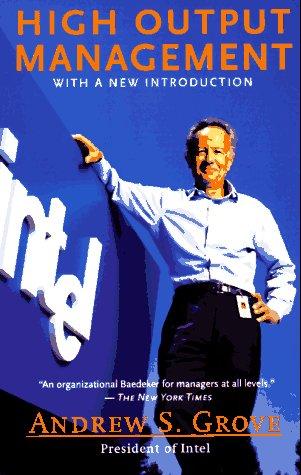
High Output Management cover
The Silicon Valley Classic 1983

High Output Management

Andy Grove Former CEO & Chairman of Intel
Core Thesis

“A manager’s output is the output of the organizational units under their supervision or influence. The highest-leverage activity available to a manager is the 1:1 meeting.”

1:1 Philosophy & Impact

Grove effectively invented the modern tech 1:1. He argued that ninety minutes of a manager’s time can enhance the quality of a direct report’s work for eighty hours between meetings — an unmatched >50x return on time. Crucially, Grove established that the 1:1 is the employee’s meeting: they set the agenda, they do most of the talking, and the manager’s role is to facilitate, listen, and transmit context.

Key Management Heuristics

  • The employee prepares the agenda; the manager creates the space.
  • Schedule at least 45 to 60 minutes — anything shorter turns into a superficial status checklist.
  • Hold 1:1s in or near the employee’s workspace, not just the executive corner office, to shift the power dynamic.
  • Never cancel a 1:1; rescheduling is acceptable only when unavoidable and done immediately.

High-Leverage Questions from the Book

“What is the single biggest bottleneck slowing down your work right now?”

“Is there anything we are doing that feels like a waste of your time or energy?”

“What decisions or discussions this week did you feel out of the loop on?”

“Ninety minutes of your time can enhance the quality of your subordinate’s work for two weeks, or for some eighty hours.”

— Andy Grove, High Output Management
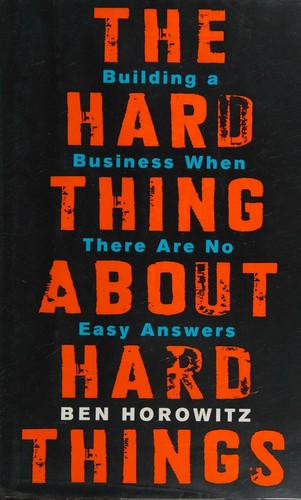
The Hard Thing About Hard Things cover
Crisis & Cultural Resilience 2014

The Hard Thing About Hard Things

Ben Horowitz Co-founder of Andreessen Horowitz & Loudcloud/Opsware
Core Thesis

“There is no recipe for building a great company, but keeping the lines of communication open and discovering bad news while it’s still small is the only way an organization survives.”

1:1 Philosophy & Impact

Horowitz dedicated entire sections of the book to 1:1s, calling them the primary tool for organizational design. In a startup, bad news travels slowly while good news travels fast. The 1:1 is the essential safety valve where employees can surface urgent concerns, brilliant ideas, and chronic frustrations that do not fit into formal Jira backlogs or company town halls.

Key Management Heuristics

  • The 1:1 is the free-form meeting for pressing issues, brilliant ideas, and chronic frustrations.
  • If a manager does not run regular 1:1s, bad news stays hidden until it manifests as unexpected resignations or failed releases.
  • Look for patterns: if three different engineers mention the same cross-team friction, it is an architectural/organizational bug, not a personal flaw.
  • Skip-level 1:1s are essential for senior leaders to hear unfiltered reality from the front lines.

High-Leverage Questions from the Book

“If we could improve one thing about how our team operates, what would make the biggest difference?”

“Who in the company is doing incredible work that doesn’t get enough recognition?”

“What is something the leadership team talks about that feels disconnected from reality on the ground?”

“If you are a manager, your one-on-ones with your direct reports are your highest-leverage meeting. It’s the free-form meeting for all the pressing issues that do not fit into neatly organized formal channels.”

— Ben Horowitz, The Hard Thing About Hard Things
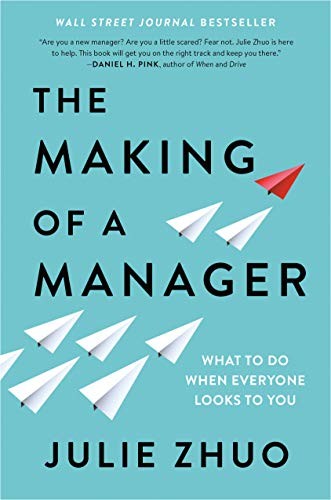
The Making of a Manager cover
Modern Human Leadership 2019

The Making of a Manager

Julie Zhuo Former VP of Product Design at Facebook
Core Thesis

“Great managers are made, not born. Management is not about power or status; it is the discipline of helping a group of people achieve a shared goal sustainably.”

1:1 Philosophy & Impact

Zhuo provides a modern, empathetic breakdown of 1:1s, contrasting them sharply with status syncs. She outlines four core conversation zones for one-on-ones: building trust, discussing priorities, resolving challenges, and calibrating career goals. She emphasizes that building psychological safety in the first 30 days is what makes future critical feedback possible.

Key Management Heuristics

  • Never let a 1:1 become a status update — status can be read asynchronously in tickets.
  • Tailor the cadence and style to the person: new team members need frequent alignment; senior veterans need space and autonomy.
  • Celebrate progress and small wins deliberately, not just blockers and defects.
  • Ask questions that lower defensive barriers (e.g. "What feels hardest right now?").

High-Leverage Questions from the Book

“What conditions help you do your best, most focused work?”

“How do you prefer to receive feedback: in the moment, in writing beforehand, or during our 1:1s?”

“What has been the most confusing or unclear thing you’ve encountered recently?”

“The primary purpose of a 1:1 is to build a relationship of mutual trust. If your 1:1 feels like a status report, you are squandering the most valuable tool you have.”

— Julie Zhuo, The Making of a Manager
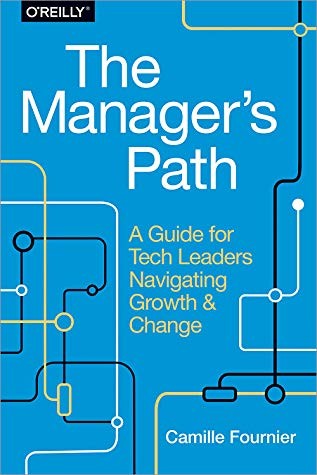
The Manager’s Path cover
Engineering Org Architecture 2017

The Manager’s Path

Camille Fournier Former CTO of Rent the Runway
Core Thesis

“Engineering management requires different skills at every tier — from mentoring interns to leading senior staff engineers and managing other managers.”

1:1 Philosophy & Impact

Fournier wrote the definitive guide for tech leaders. She addresses the engineering specificities of 1:1s: handling junior vs senior engineers, managing technical debt conversations, and navigating promotions on technical ladders. Fournier explicitly warns that when an engineer says "I don’t have anything to talk about", it is not a sign of smooth sailing — it is a flashing warning of disengagement.

Key Management Heuristics

  • Never skip a 1:1 just because "everything seems fine". Quiet disengagement starts when meetings are dropped.
  • Separate daily delivery from quarterly career trajectory — mixing them dilutes long-term development.
  • Help technical staff navigate the dual ladder (Staff+ engineer track vs engineering management).
  • Act as an information conduit: translate high-level business context down to technical teams.

High-Leverage Questions from the Book

“Looking at our roadmap, which technical challenge excites you most?”

“Are you getting the right level of stretch on your current projects, or does it feel repetitive?”

“Which skill or technology that we don’t currently use would you love to master?”

“One-on-ones are the pulse check of your team. If someone tells you they have nothing to talk about, you haven’t built enough trust or asked the right questions.”

— Camille Fournier, The Manager’s Path
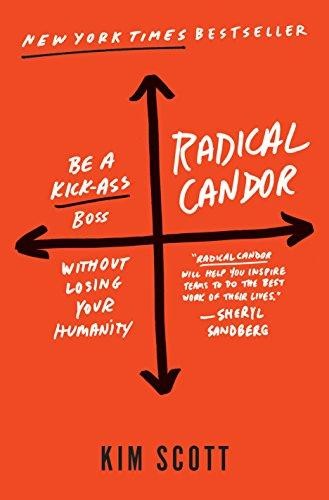
Radical Candor cover
Feedback & Culture 2017

Radical Candor

Kim Scott Former Executive at Google & Apple University Faculty
Core Thesis

“Great leadership requires Care Personally while Challenging Directly. Without care, challenge is obnoxious aggression; without challenge, care becomes ruinous empathy.”

1:1 Philosophy & Impact

Scott positions the 1:1 as the central venue for practicing Radical Candor. It is where managers solicit feedback on themselves before giving it to direct reports, and where difficult performance and burnout issues are handled with compassionate directness. Scott’s model removes the fear of delivering uncomfortable truths by grounding them in authentic human support.

Key Management Heuristics

  • Always ask for feedback on your own performance before offering critique to the employee.
  • Avoid "Ruinous Empathy": failing to address poor performance or burnout out of fear of hurting feelings ultimately hurts everyone.
  • Deliver critical feedback privately, immediately, and in person (or on 1:1 calls), never in public channels.
  • Praise in public; criticize in private 1:1s.

High-Leverage Questions from the Book

“What could I do differently or stop doing to make your job easier?”

“I noticed you seemed overwhelmed lately — let’s review your workload and take things off your plate.”

“Is there any feedback you’ve been hesitant to share with me?”

“Radical Candor is what happens when you put Care Personally and Challenge Directly together. The 1:1 is where that relationship is forged.”

— Kim Scott, Radical Candor